The Barataria Swamp from New Orleans: The Free Boardwalks, the Paid Airboats, and Gators at Basking Distance
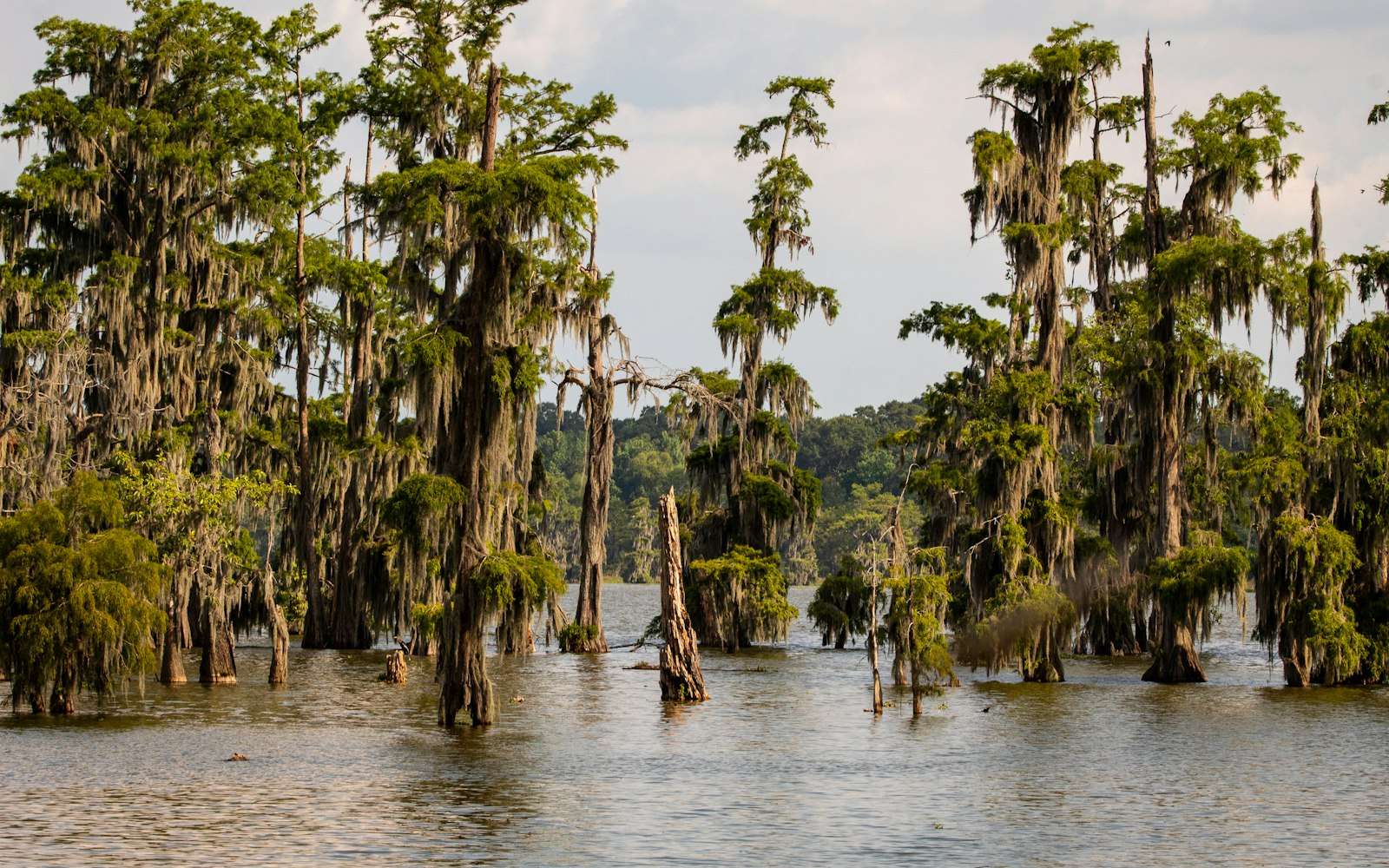
Forty minutes south, the national park’s free boardwalks run through cypress, Spanish moss, and alligators at basking distance — and the airboat rides are a different product entirely, sold by the operators nearby.
The short version
- The Barataria Preserve — the Jean Lafitte park’s swamp unit about forty minutes south across the river — runs free entry, free parking, and boardwalk trails from the visitor center; hours and trail status at nps.gov/jela, and there’s no transit: it’s a drive or a tour pickup.
- The product split per the alarm: the preserve is the quiet, self-paced, zero-dollar version — the airboat and covered-boat swamp tours run from private docks in the same parish at real prices, with speed, guides, and guaranteed-feeling gator encounters as what the money buys.
- Alligators work the preserve’s waterways on the sun’s schedule: basking beside (and occasionally on) the trails in the warm months at respectful-distance normalcy, and going torpid and scarce in winter per the alarm’s cold-months clause.
- The boardwalk mile-and-changes thread bald cypress, palmetto flats, and moss curtains — the Bayou Coquille-to-Marsh Overlook run is the headline walk, ending where the swamp opens into flotant marsh.
- The naming is the pirate’s: Jean Lafitte ran his smuggling operation from Barataria Bay before his Battle of New Orleans turn — the park carries his name and the visitor center carries the story’s complications honestly.
- The supporting cast runs herons and egrets year-round, spring warblers, banana spiders’ architecture at eye level in late summer, and mosquitoes per the alarm’s bug-spray-you-mean rule — the swamp’s one non-negotiable toll.

Getting there
The drive crosses the river and runs the West Bank’s forty minutes with zero transit alternative — rental, ride-share round-trip arrangements, or the tour operators’ hotel pickups per the alarm’s product split. The preserve’s visitor center anchors trail maps, water, and the ranger word on where the morning’s gators showed. Airboat bookings run separately at the private docks with their own schedules; combining a free-boardwalk morning with a paid-boat afternoon is a legitimate double for the committed.
The visit
Walk the Bayou Coquille trail at settling-in pace: the boardwalk drops from live-oak ridge through palmetto into cypress swamp within minutes, and the spotting rhythm arrives on its own — turtles stacked on logs, a heron statue-still, the first gator’s eye-ridges reading as bark until they blink. The warm-months rule is distance and calm: basking gators hold their ground, trail right-of-way is theirs by every measure, and the photographs improve with zoom rather than approach. The Marsh Overlook’s opening — flotant prairie to the horizon — is the turnaround’s reward. The Palmetto and visitor-center loops extend the morning; rangers’ talks add the ecology hour when scheduled. The airboat version, chosen per the alarm’s split, trades the hush for horsepower the same afternoon — different products, per the standing framing, both delivering the swamp.
When to go
March through May runs the full theater — gators active, wildflowers up, migration through, humidity still merciful. October and November repeat it at amber angles. Summer works at dawn-and-bug-spray terms with afternoon storms as the ceiling; the alarm’s repellent clause peaks. Winter empties the boardwalks and quiets the gators to rare sunny-day cameos — the cypress in fog compensates photographers who know the trade going in. After heavy rain or storm events, the park’s trail-status page decides the plan.
Frequently Asked Questions
Will I definitely see alligators?
In the warm months, the odds run strong on any unhurried boardwalk visit — the preserve’s population is dense and the sun schedules them predictably. Winter drops the odds toward lucky. The airboats’ feeding-adjacent practices produce nearer-guaranteed encounters, which is part of what the alarm’s paid version sells.
How close is too close?
The park’s guidance is the law: gators get the trail’s width when they’re on it, no feeding ever (it’s illegal and it rewires them), and pets stay home. A basking gator ignoring you is the correct outcome; changing that state is the error.
Airboat or covered boat if I go paid?
Airboats for speed, spin-outs, and the adrenaline register; covered pontoons for narration, shade, and cameras held steady. Families and photographers lean covered; the airboat’s ear protection is included for a reason. Both run from the same parish docks at comparable money.
What’s the Lafitte story here?
The pirate-smuggler ran Barataria Bay’s operation before trading amnesty for artillery service at the Battle of New Orleans — folk hero, human trafficker, and war asset in one biography, which the park presents without varnish. The name on the sign is history, not endorsement.
Barataria or a plantation day from New Orleans?
Different registers entirely: Whitney Plantation (documented on this network, sober) is the enslaved-perspective history visit; Barataria is the ecology morning. Both sit within an hour — and the network’s standing guidance keeps Whitney unpaired with levity, so the swamp joins other days, not that one.