New Orleans Day Tours
I’m Serious Day Tour Man AI, your day trip expert. Ask me anything — where to go, how to get there, and what’s actually worth your day.
New Orleans’ day trips lead to swamps and to history. Cypress swamps where alligators outnumber people start forty-five minutes out. The River Road plantations line the Mississippi an hour upriver — beautiful places with a brutal history, and the best of them now tell that history straight.
The city itself runs on tours more than most American cities do. Its most famous cemetery can only be entered with a guide. Its neighborhoods make the most sense narrated by someone who grew up in the accent. And its biggest museum needs half a day, which surprises almost everyone who books an hour for it.
Here’s what’s worth a day, with real times and honest trade-offs.

Popular Day Trips
Whitney Plantation
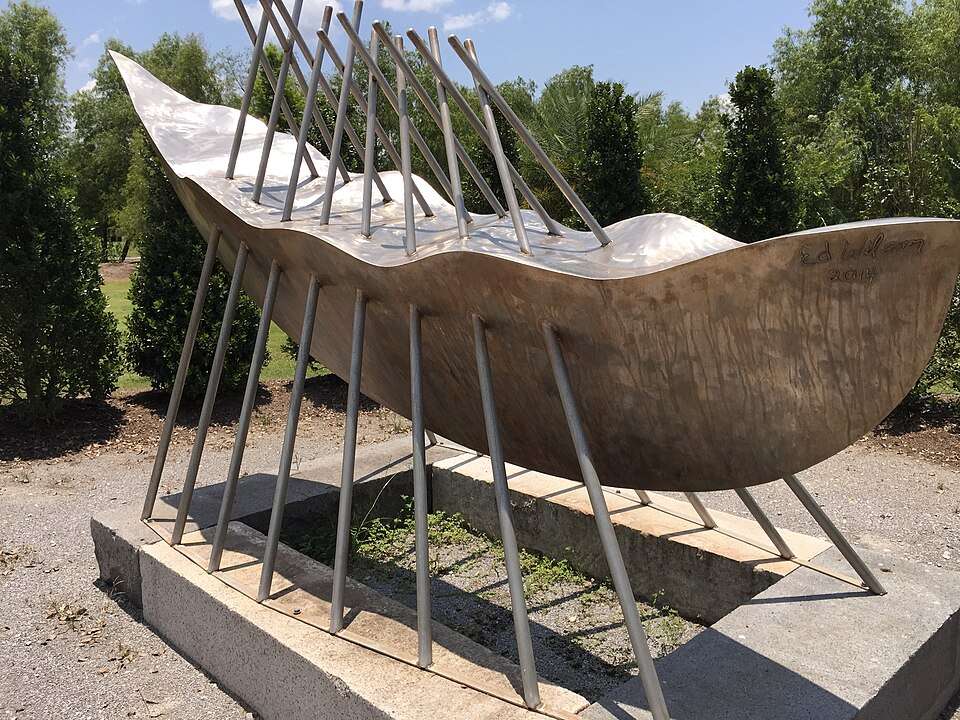
The Museum of Slavery, the Names on the Walls
Barataria Swamp
The Free Boardwalks, the Paid Airboats
The River Road Plantations — Choose Knowingly
The plantations sit an hour upriver. Choose between them with clear eyes.
Oak Alley is the famous one. The quarter-mile allée of 300-year-old live oaks framing the columned house is among the most photographed views in the South, and the tour is a traditional big-house telling, with the history of the enslaved presented alongside. The Whitney Plantation is the corrective: the only plantation museum in Louisiana built entirely around the lives of the enslaved people, told through first-person narratives, memorial walls of names, and the quarters rather than the parlor. It is sobering, superbly done, and widely considered the most important museum experience in the region.
The strongest day pairs them — the beauty and the full history presented together — and many tours now run exactly that combination. Choosing only the oaks means choosing a photograph over a history. At minimum, know that’s the trade.
Read the full Whitney Plantation day-trip page.
The Swamps — Flatboat or Airboat

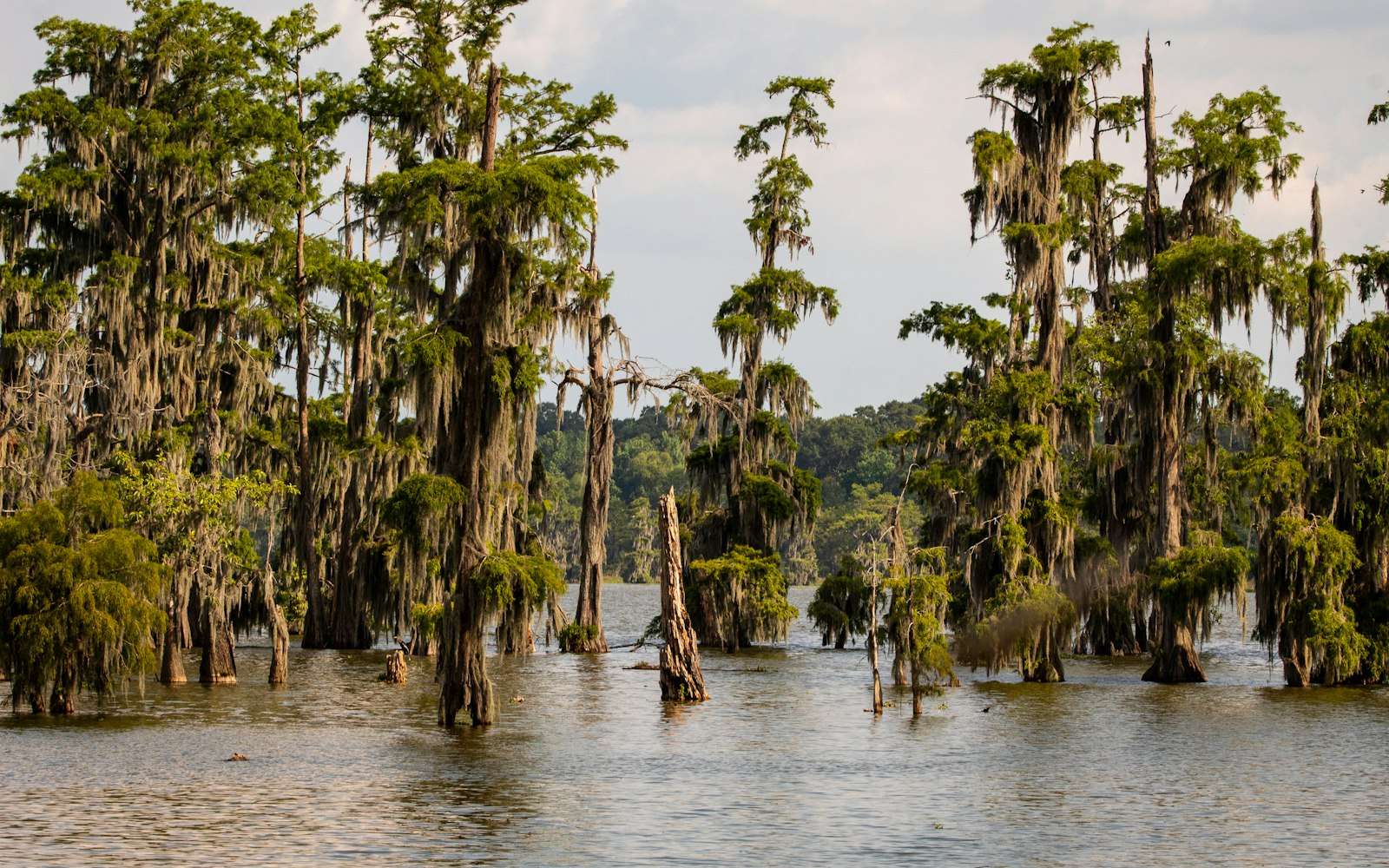
The cypress swamps start forty-five minutes out in most directions: Spanish moss, alligator eyes at the waterline, and big wading birds everywhere. Your choice of boat shapes the day.
The airboat is the thrill ride — fast, loud (ear protection is provided and needed), and undeniably fun. Its noise also clears the wildlife ahead of it. The flatboat or pontoon tour is the naturalist’s pick: slow and quiet enough that the gators, owls, and wild boar go about their business. The captains often come from families that have worked these swamps for generations, and they are funny and knowledgeable in equal measure.
Honey Island and the Manchac swamp are the classic grounds. Barataria Preserve, part of Jean Lafitte National Historical Park, adds free boardwalk trails for the do-it-yourself version. March through October is gator season — they den up in cold snaps — and summer mornings beat the afternoon storms.
Cajun Country — The Stretch
Acadiana, two and a half hours west, is a different Louisiana: French on the radio, boudin at the gas stations — and that’s a compliment, because the gas-station boudin of Scott and Breaux Bridge is a certified food pilgrimage — and music that gets everyone up.
The day-tour version centers on Lafayette and Breaux Bridge: a swamp or Lake Martin rookery stop, a boudin-and-cracklin crawl, and, if the timing lands, a zydeco brunch or a dance-hall session where the two-step is taught by demonstration. Avery Island, where Tabasco has been made since 1868, adds the factory tour and the jungle gardens down the road.
Be honest about the fit: it’s a long day spent in an unhurried culture, and those two things pull against each other. The overnight version, timed to a Saturday zydeco breakfast, is the one that converts people permanently.
The Cemeteries & the Voodoo — Guided by Rule
The famous cities of the dead come with an access rule visitors don’t expect. St. Louis Cemetery No. 1 — the oldest, resting place of voodoo queen Marie Laveau and site of Nicolas Cage’s improbable pyramid tomb — admits visitors only on the Archdiocese’s official guided tour. The rule is a response to years of vandalism. Book ahead; check-in is at Basin St. Station across the street, and unticketed walk-ups are turned away.
The tour is excellent anyway. It explains above-ground burial properly — the high water table, the Spanish custom, and the “one-year-and-a-day” reuse system that everyone retells at dinner — plus the yellow fever history, and it handles the Laveau legend with more respect than the gift shops manage.
Lafayette Cemetery in the Garden District pairs naturally with a district walking tour: the mansions, the Anne Rice houses, and the live-oak streets that are the city’s calmest hour.
The WWII Museum — Budget Half a Day
New Orleans holds the National WWII Museum — designated by Congress as America’s official WWII museum, and here because the Higgins landing craft were built here, the boats Eisenhower credited with winning the war. Visitors routinely under-schedule it.
The honest allocation is four to five hours minimum. The campus now runs seven pavilions, and the Road to Berlin and Road to Tokyo exhibits alone consume a morning. The Beyond All Boundaries 4-D film is the add-on worth paying for, and the warbirds hang overhead in the Boeing Center.
Buy timed tickets ahead, arrive at the 9 a.m. opening, and don’t bolt it onto an afternoon as an errand. People who rush it regret it. People who give it the morning call it the best museum they have visited.
The French Quarter, Frenchmen & the City
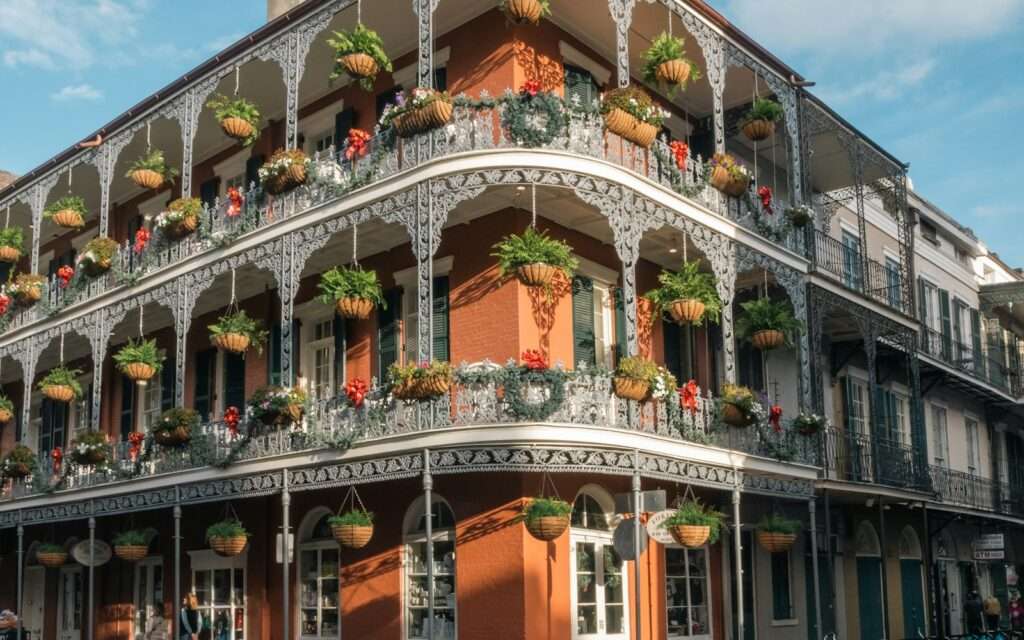
Take a walking tour of the Quarter — history, architecture, or one of the well-done ghost-and-scandal versions. A good guide turns the balconies and courtyards into three centuries of French, Spanish, American, and Caribbean history.
Then apply the corrections every first-timer needs. Bourbon Street gets one astonished walk-through. The music you came for is on Frenchmen Street: three blocks of clubs — the Spotted Cat, d.b.a., Snug Harbor for the jazz-serious — where the cover is cheap and the bands are the point. Café du Monde runs 24 hours; the 3 a.m. or early-morning beignet beats the daytime line, and the powdered sugar gets on your clothes either way.
Ride the St. Charles streetcar end to end — the oldest continuously operating line in the world, and still the best $1.25 in American transit. Take one cooking class or culinary walking tour. The food here has real depth — gumbo, étouffée, the po-boy debate — and a good class teaches you what you are eating for the rest of the trip.
Time the trip by the calendar. October through May is the season. Summer is a sauna with daily afternoon storms, and hurricane season peaks in August and September. Mardi Gras and Jazz Fest are glorious, and they book out everything — visit during them on purpose or not at all.
Full day-trip pages: the Barataria Swamp.
Frequently Asked Questions
Which plantation should you visit from New Orleans?
The strongest day pairs Oak Alley’s famous oak avenue with the Whitney, the museum told from the perspective of the enslaved — the beauty and the honest history together. If choosing one, choose knowing what each is.
Are airboat or flatboat swamp tours better?
Airboats for speed and thrill; flat or pontoon boats for wildlife — they’re quiet enough that the gators stay put. March through October is gator season, and mornings beat the afternoon storms.
Can you visit St. Louis Cemetery No. 1 on your own?
No — entry is only on the official guided tour, a vandalism-protection rule from the Archdiocese. Book ahead and check in at Basin St. Station; the tour covers above-ground burial, yellow fever, and Marie Laveau properly.
How long does the WWII Museum take?
Four to five hours minimum — it’s a seven-pavilion campus, not a gallery. Buy timed tickets, arrive at opening, and give it the morning.
When is the best time to visit New Orleans?
October through May — mild and lively, with festival season in spring. Summer is brutally humid with daily storms, and hurricane season peaks in late summer. Mardi Gras and Jazz Fest are spectacular but must be planned around deliberately.